Have you ever wondered how natural grass performs against artificial grass when it comes to drainage?
One of the biggest reasons homeowners are switching to artificial grass is due to its drainage capabilities. Whether it’s the subtropical rainfall in Durban or the heavy winter rains in Cape Town, artificial grass can stand up to these weather conditions with ease.
Don’t believe us? Here are the main pros of drainage for artificial grass when compared to natural grass:
1. Faster and More Reliable Drainage
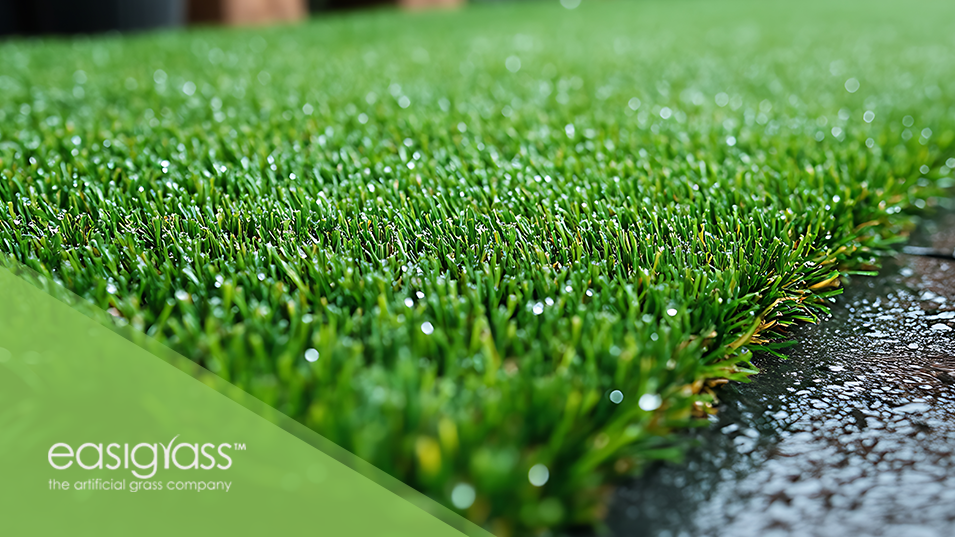
High-quality artificial grass is designed with a perforated backing with small holes every 10 centimetres for effortless drainage. This is often paired with a permeable aggregate (Easigrass uses crushed rock) sub-base, which allows water to drain vertically and quickly, typically at rates of around 30 to 120 inches per hour. This ensures water doesn’t pool on the surface.
On the other hand, natural grass relies heavily on the soil’s ability to absorb water, which varies depending on the type of soil in your garden. For example, water absorbs slower with clay but faster with sand, which makes drainage unpredictable and often slower. Unfortunately, this can sometimes leave you with constant puddles, or worse, a muddy mess!
According to various tests, artificial grass performs better when it comes to drainage capabilities. Synthetic turf was shown to handle large volumes of water with minimal surface runoff, whereas natural grass can lead to significant drainage issues and surface saturation.
2. Reduced Puddling and Mud
Speaking of puddles and muddy messes, one of artificial turf’s many benefits is its ability to prevent standing water and muddy conditions. Because water can easily and quickly pass through the base layers of artificial grass thanks to its perforated backing, it dries faster and can be used almost immediately after rainfall. An added benefit is Easigrass’ non-slip technology, which ensures you won’t be slipping and sliding once the rain has subsided.
The reason water often pools on the surface of natural grass is because water accumulates faster than the soil can absorb it. This can leave your natural surface soggy, slippery, and muddy for extended periods of time.
3. Better Performance in Wet Weather and High-Use Areas
Excellent drainage is vital for all-weather sports fields. This ensures that your artificial field or lawn does not become waterlogged, but remains playable and safe during or immediately after heavy rains.
In contrast, natural grass has durability limitations and can have performance issues during or after rainy weather. It is often easily damaged, leading to compaction, tearing, or bare spots, which can also push up maintenance costs. Artificial turf’s all-weather resilience is a key advantage for regions or frequent areas needing consistent usability.
4. Easier Maintenance and Cleanup
Tired of messy feet and pawprints dirtying your home? Artificial turf’s excellent drainage allows you to avoid the mess synonymous with wet natural lawns. No mud tracked indoors, easier cleanup of pet waste or spills (liquids drain quickly), and less risk of odours lingering from prolonged moisture.
Heavy foot traffic and weather can be detrimental for your natural turf, causing it to compact over time. When this happens, water can’t pass through the soil as easily, leading to puddles and mud. To resolve this, aeration or other soil-drainage maintenance techniques are needed to keep natural turf functional which can be time and cost-consuming.
5. Consistent Performance Regardless of Soil Conditions
Synthetic lawns aren’t limited by underlying soil quality as much as natural grass. A properly installed base compensates for poor native soil drainage, providing all the benefits of excellent drainage. Natural grass drainage is heavily dependent on your existing soil, compaction, and ongoing care (e.g., aeration, topdressing).
Artificial vs Natural Grass Drainage: Key Factors That Impact Performance
- Proper artificial grass installation is essential to ensure it achieves these excellent drainage benefits.
- In extreme heavy rain or poor site grading, both can have issues, but synthetic turf comes out on top as it is able to manage with less surface disruption.
- While synthetic turf drains faster vertically, natural grass can offer broader environmental drainage benefits in certain landscapes (e.g., reducing overall runoff in large areas). However, for practical yard or field use, synthetic turf often wins on speed and reliability.
The Takeaway
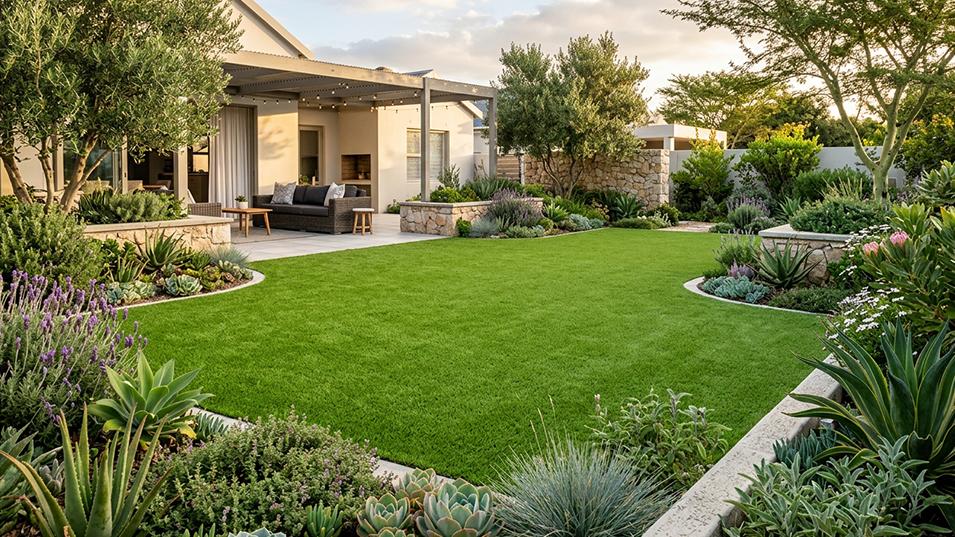
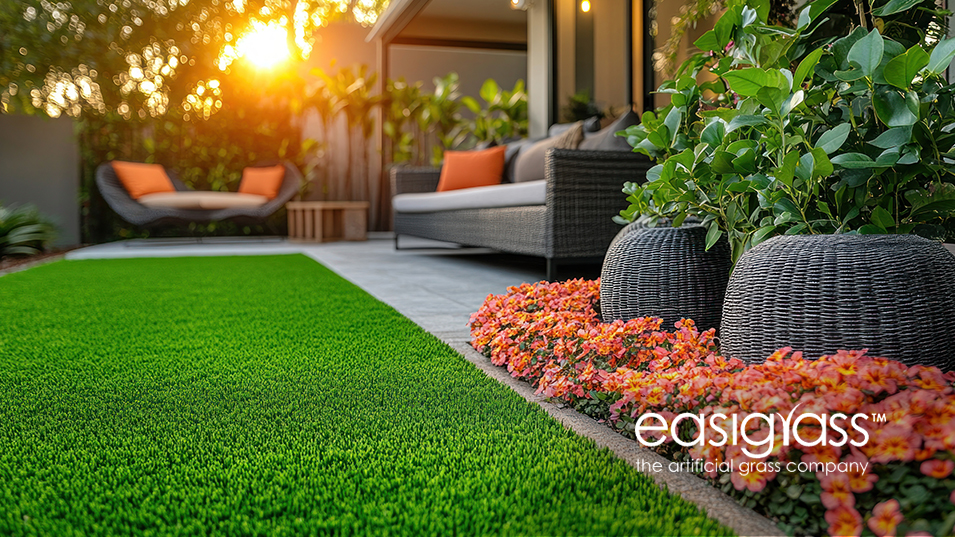
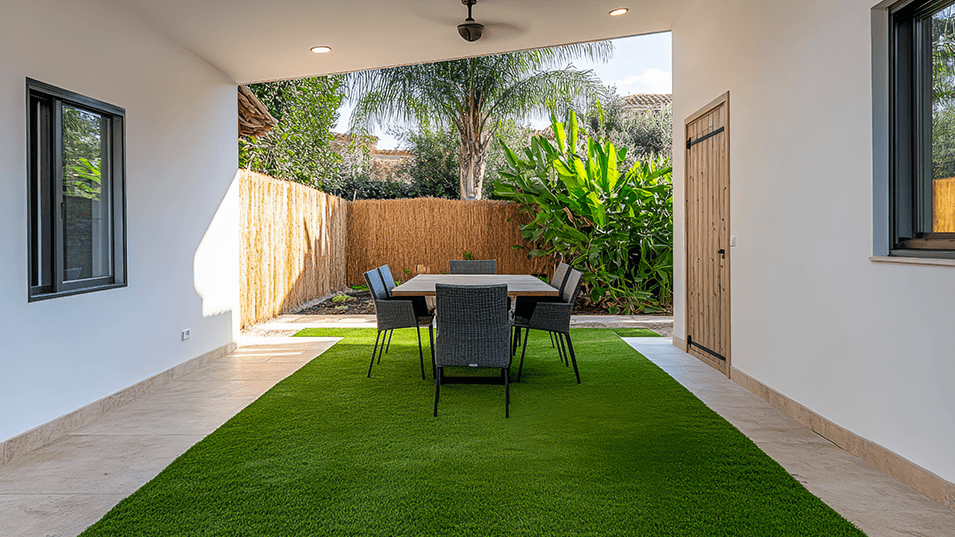
Artificial grass offers a range of benefits, particularly when it comes to drainage, helping to create a low-maintenance yet high-performance outdoor space. This makes it perfect for wet climates across South Africa, as well as pet-heavy households.
If you’re considering artificial grass installation in Durban, where subtropical rainfall is common, investing in a quality perforated turf and a well-prepared base will help maximise these benefits.
Ready to enjoy excellent drainage? Get in touch with an Easigrass partner today!